
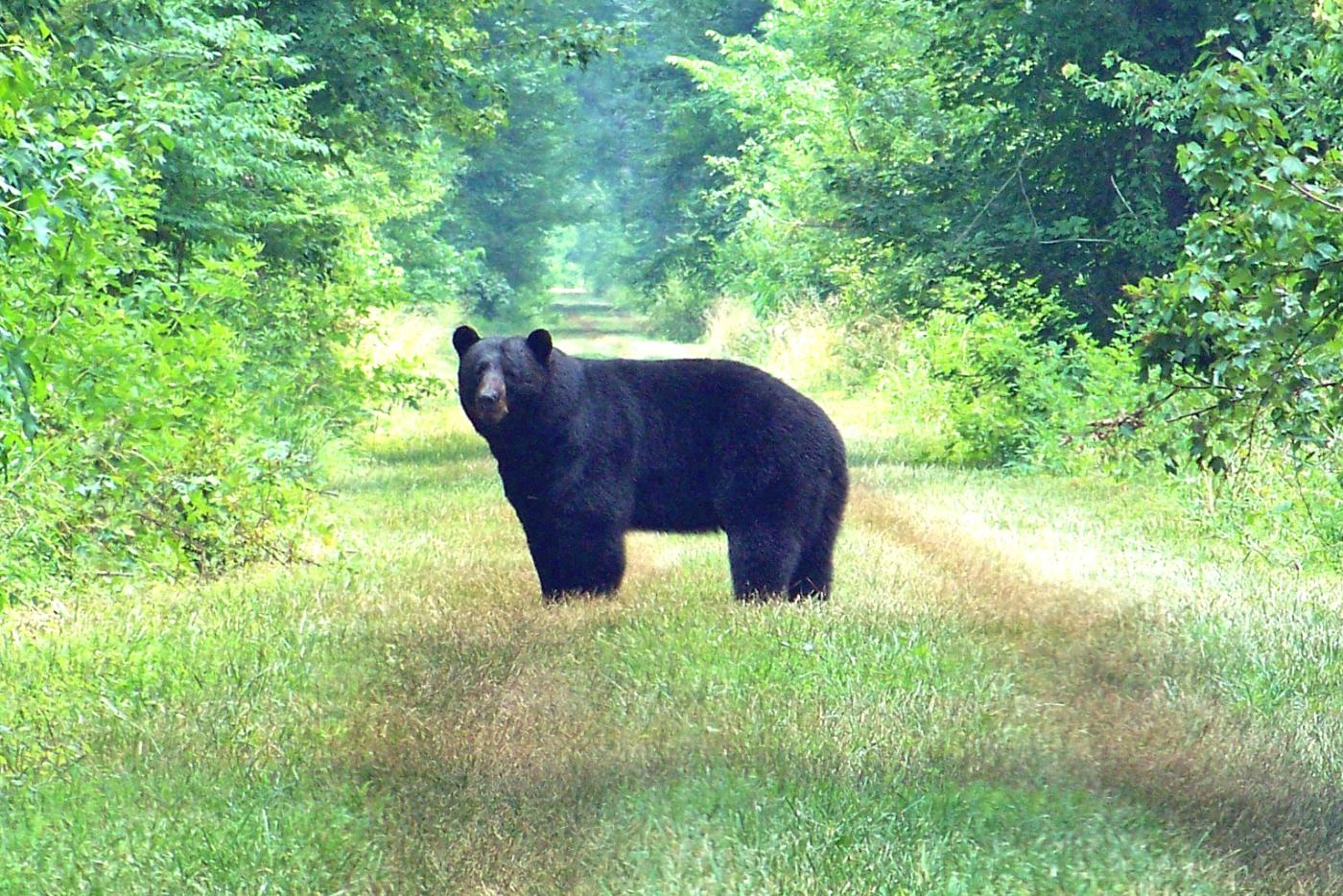
As temperatures begin to cool across North Carolina, black bears are entering one of the busiest feeding periods of the year.
During the fall, bears are focused on consuming as many calories as possible in preparation for winter. When food is plentiful, a bear can gain 2-3 pounds per day. By the time bears begin entering their dens, many will have gained between 20-50% of their summer body weight and added several inches of fat.
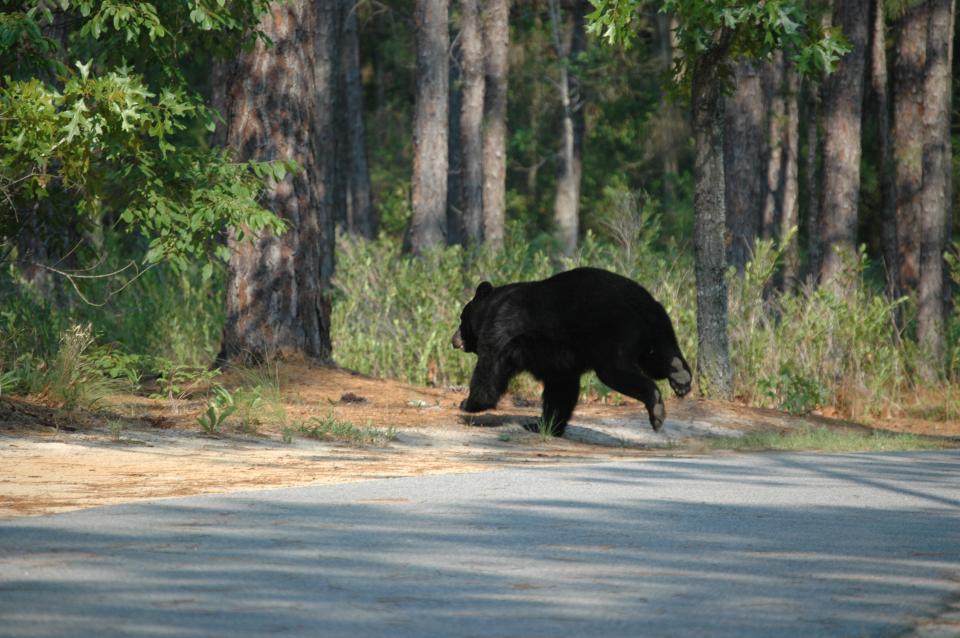
That means a lot of eating! Bears may spend up to 20 hours a day foraging during this period, increasing the chances that people enjoying North Carolina's state parks and other outdoor spaces may encounter one.
Natural food availability can also vary considerably from year to year. Drought, extreme heat, flooding, wildfires, spring freezes and other environmental conditions can affect the nuts, berries, insects and other foods bears rely on. Continued development in bear habitat can also make natural food sources more difficult to access.
As bears work hard to find food this fall, visitors can help keep wildlife wild by making sure human food never becomes part of the menu.
Camping Safely in Bear Country
Keeping a clean campsite is one of the most important ways to avoid attracting bears.
Never leave food scraps or trash around your campsite, and don't burn food waste in fire rings or grills. Food, toiletries and clothes worn while cooking should never be stored inside your tent.
Instead, secure these items in approved bear-resistant containers or a locked vehicle. Where appropriate, food and other scented items may also be suspended at least 10 feet off the ground and away from tree trunks and branches.
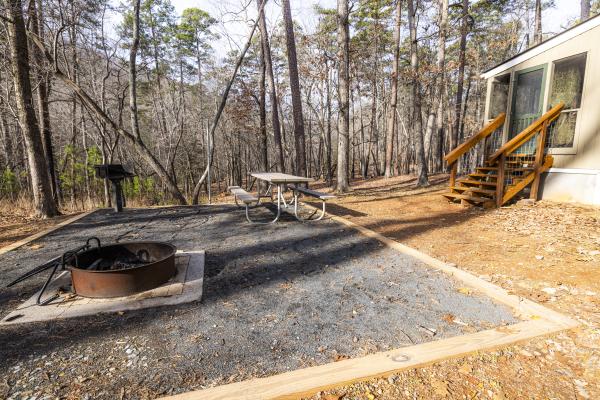
When possible, cook away from your sleeping area and choose campsites away from dense vegetation and natural food sources.
Most importantly, never intentionally feed a bear. Feeding bears can cause them to associate people and developed areas with food, creating dangerous situations for visitors and wildlife. Bears are capable of finding the food they need naturally. Our responsibility is to make sure they don't find it in our campsites, trash, or belongings.
Hiking and Walking
Stay aware of your surroundings while hiking and avoid hiking alone when possible. Keep children nearby and within sight.
Making noise periodically along the trail can alert bears to your presence and give them an opportunity to move away before you encounter them. Dogs should always remain leashed.
Always pack out trash and leftover food. Even small scraps can encourage bears to associate trails, campsites and other developed areas with an easy meal.
Fishing
Anglers may be more likely to encounter bears, particularly when moving quietly through the outdoors during early morning and evening hours when bears are active.
Bait and fish remains can attract bears. If a bear reaches your catch before you do, leave the area safely. Never attempt to approach the bear or reclaim the food from it.
Cycling and Jogging
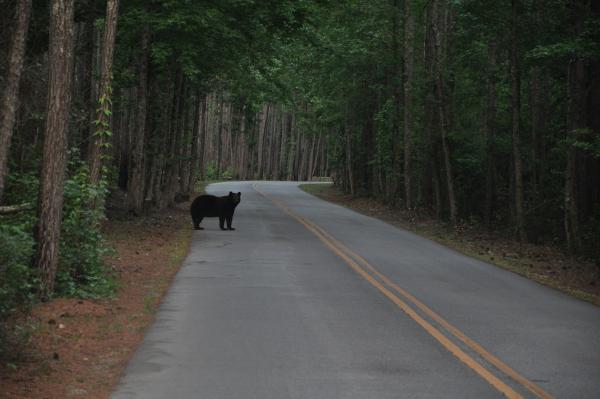
Cyclists and joggers can unintentionally surprise bears because they travel quickly and relatively quietly.
Stay alert while moving through bear habitat, avoid distractions such as headphones or phones, and make noise periodically to alert wildlife to your presence.
Consider Carrying Bear Spray
Bear spray can be an effective tool for deterring a defensive bear. Keep it somewhere you can reach quickly and not buried inside a backpack. Learn how to use it before heading outdoors.
Visit BearWise.org for more information and a how-to-use video.
Bear spray should never be sprayed on tents, campsites, clothing or belongings as a preventative repellent.
What To Do if You Encounter a Black Bear
Black bears are rarely aggressive toward people, and most encounters end without incident. Knowing how to respond can help keep both you and the bear safe.
If you see a bear before it notices you, don't approach it. Quietly move away and give the animal plenty of space.
If the bear sees you, slowly back away while continuing to give it room. Never run from a bear, as running may trigger a chase response.
If a bear approaches, stand your ground. Make yourself appear larger, wave your arms and make loud noises by yelling something such as "Hey, bear!" If you're with other people, stay together rather than separating. If the bear continues approaching, use bear spray if available.
If a black bear makes physical contact, do not play dead. Fight back aggressively.
For more information, visit BearWise.org.
About the American Black Bear
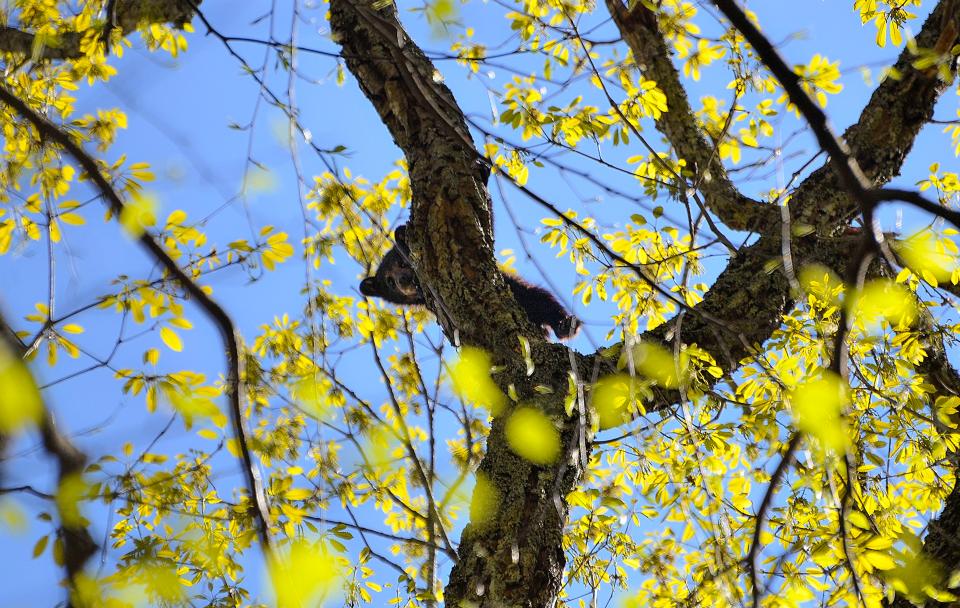
The American black bear (Ursus americanus) is the only bear species found in North Carolina and is an important part of the state's natural ecosystems.
Despite their name, black bears aren't always black. Their coats can vary in color, although bears in North Carolina are predominantly black. They are omnivores with diets that change throughout the year depending on what's available. Much of their diet consists of plant material, including berries, fruits, nuts and other vegetation, supplemented by insects and other animal matter.
Black bears have an exceptional sense of smell, which helps them locate food over considerable distances. That ability is also why properly storing food, trash and scented items is so important in bear country.
Bears generally prefer to avoid people. Problems are more likely to develop when bears learn that campsites, trash cans, homes or other developed areas provide reliable sources of food. Removing those attractants protects visitors while preventing bears from developing behaviors that can ultimately put the animals at risk.
Fall is a beautiful time to explore North Carolina's state parks, and increased bear activity doesn't mean visitors need to avoid the outdoors. Stay alert, secure your food and trash, give wildlife plenty of space and remember: never feed or approach a bear.
Keeping human food away from bears is one of the simplest things we can do to keep people safe and North Carolina's black bears wild.
Related Topics:
This page was last modified on 10/20/2026