
About the Area
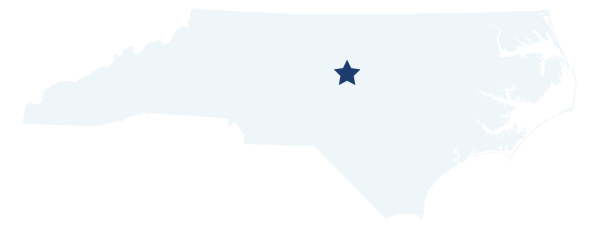
Lower Haw River State Natural Area is a 1,357-acre protected area in Chatham County, located between Chapel Hill and Pittsboro along both sides of the Haw River. Stretching from near Bynum to Jordan Lake State Recreation Area, it is recognized by the North Carolina Natural Heritage Program as Exceptional for aquatic habitat and Very High for riverbank and terrestrial habitats. The area prioritizes conservation and low-impact recreation to protect water quality and support rare and endangered species. Its rugged scenery and whitewater rapids make it popular for activities like birding, wildlife viewing, hiking, paddling, and nature photography. Ongoing efforts by the N.C. Division of Parks and Recreation focus on developing sustainable trails and access points while engaging the community, with the site serving as a key part of the future Haw River State Trail.
Upcoming Events

Plan Your Visit
History
The Lower Haw River State Natural Area was added by the North Carolina General Assembly to the North Carolina State Parks System in June 2004 as part of the "New Parks for a New Century" initiative. The initial property acquisition was formerly part of Duke University's Duke Forest Program, which had been donated to the university by Duke Power Company in 1966. In 2006, State Parks added two acquisitions above the Bynum Dam at US Hwy 15-501, including the 82-acre Pegg Tract on the east side of the Haw River and the 40-acre Stevens Tract on the west side of the Haw River. An additional acquisition of the 7-acre Bynum Mill Tract was added in 2007. In September 2025, a ribbon cutting ceremony was held for the first sustainably developed project completed in the state natural area. Located at the Bynum Mill Access site, the project was funded by the Connect NC Bond and the Parks and Recreation Trust Fund and included restrooms, paddle launch, and improvements to the two parking lots.
In 2023, the North Carolina General Assembly authorized the Haw River State Trail. The concept for this state trail is an 80-mile land and paddle trail extending from Haw River State Park in Rockingham/Guilford counties down through Alamance, Orange, and Chatham counties to Jordan Lake State Recreation Area. The Chatham County segment of the Haw River State Trail includes the Lower Haw River State Natural Area.
Ecology
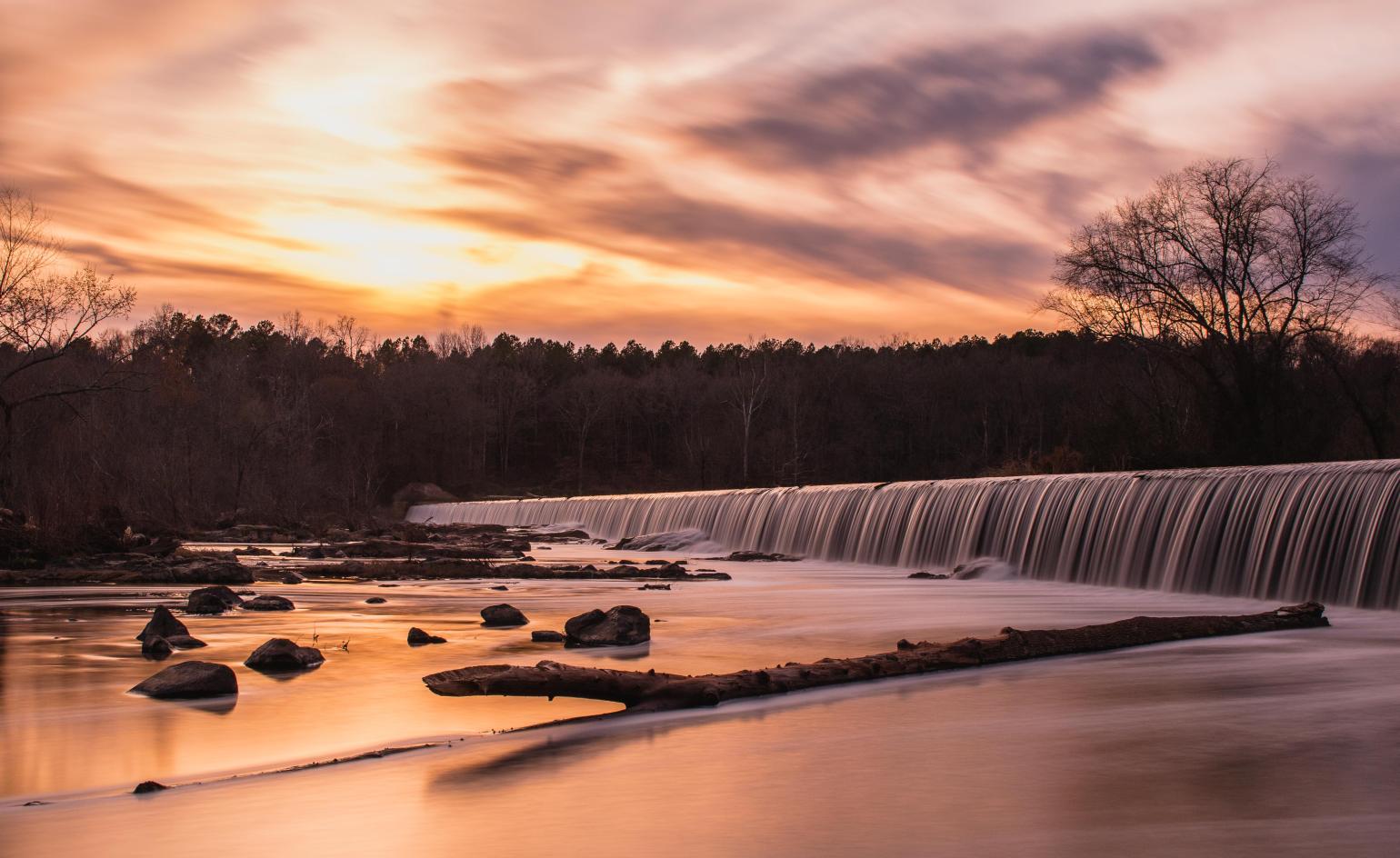
Lower Haw River State Natural Area covers about 1,357 acres in the North Carolina Piedmont along both sides of the Haw River in Chatham County. The reservoir created by the historic Bynum Dam provides drinking water for the Town of Pittsboro. The confluence within Chatham County of the Haw River and the Deep River form the Cape Fear River.
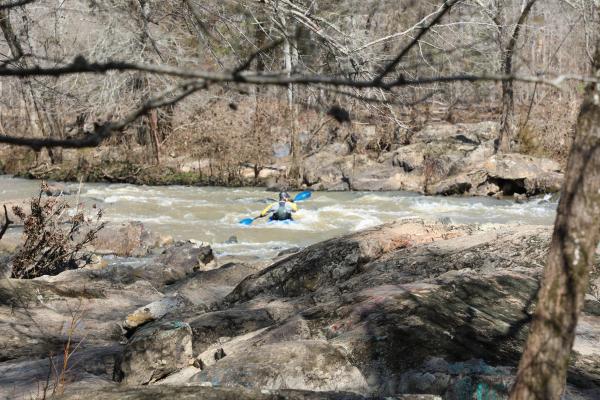
This state natural area is striking for its geological features such as steep slopes and rock outcrops. The exposed rocks along the Haw River are evidence of a volcanic past as old as 615 million years that is part of the Carolina terrane. The boulders and bedrock topography create whitewater rapids in this segment of the Haw River that provide some of the best whitewater paddling in the Piedmont.
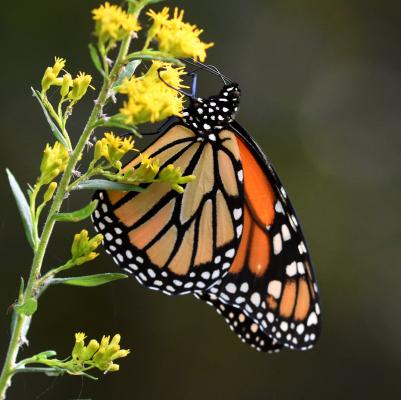
Terrestrial habitat includes Dry-Mesic Oak-Hickory Forest with Mesic Mixed Hardwood Forest along the ravines. The high bluffs support Mountain Laurel, typically found only in the mountains. Rare species include the Septima’s Clubtail Dragonfly and the wildflower Phacelia covillei (commonly known as Eastern Buttercup Phacelia).
Aquatic habitat includes the Federally and State endangered minnow the Cape Fear Shiner, the State endangered freshwater mussel the Yellow lampmussel, the Rare freshwater mussel the Brook floater, and the Rare fish the Carolina Darter and the Carolina Redhorse.
There is a year-round population of Bald Eagles. Some of the other wildlife you can see here include Osprey, Great Blue Heron, Black and Turkey Vultures, Beaver, Mink, Muskrat, River Otter, Eastern Box Turtle, Eastern Painted Turtle, River Cooter, Yellow-bellied Slider, American Bullfrog, Fowler’s Toad, Northern Watersnake, Eastern Rat Snake, and Black Racer Snake.
Native plants and trees that you can see here include Horsetail, River Oats, Lyreleaf Sage, Mayapple, Round-lobed Hepatica, Rue Anemone, Spring Beauty, Trout Lily, Spicebush, Common Pawpaw, Pinxter Azeleas, Mountain Laurel, American Beech, American Hornbeam, and Black Walnut.
Fishing is a popular activity and game species include Catfish, Largemouth Bass, Sunfish, and White Bass. North Carolina fishing regulations apply.
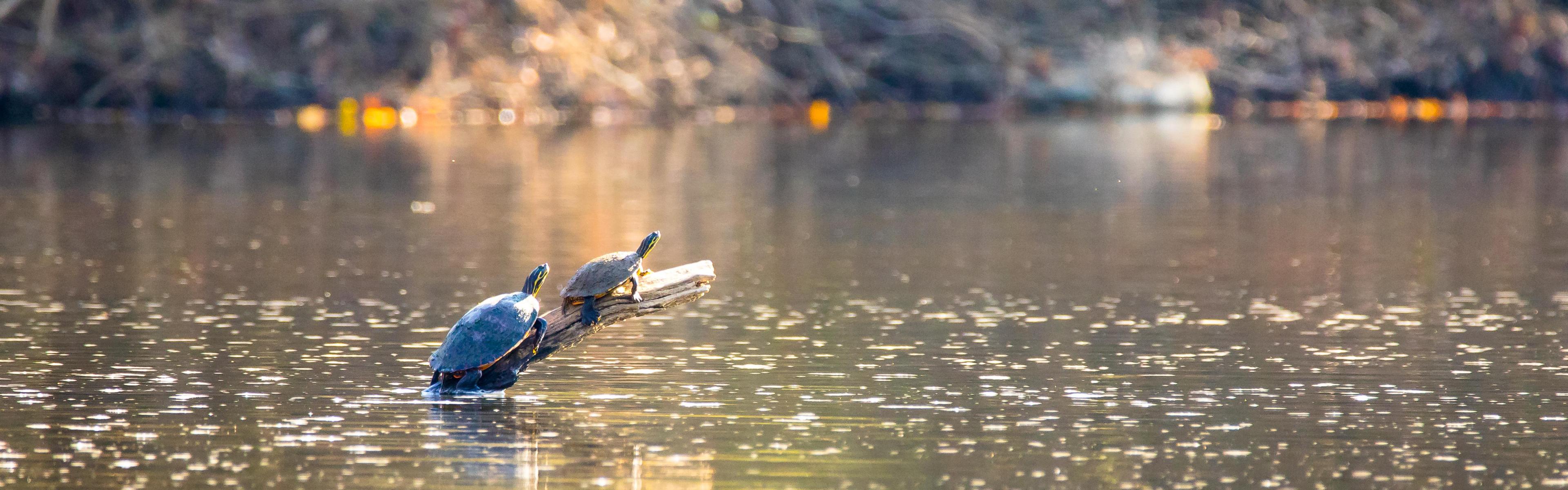
Photo by Chris Whitted
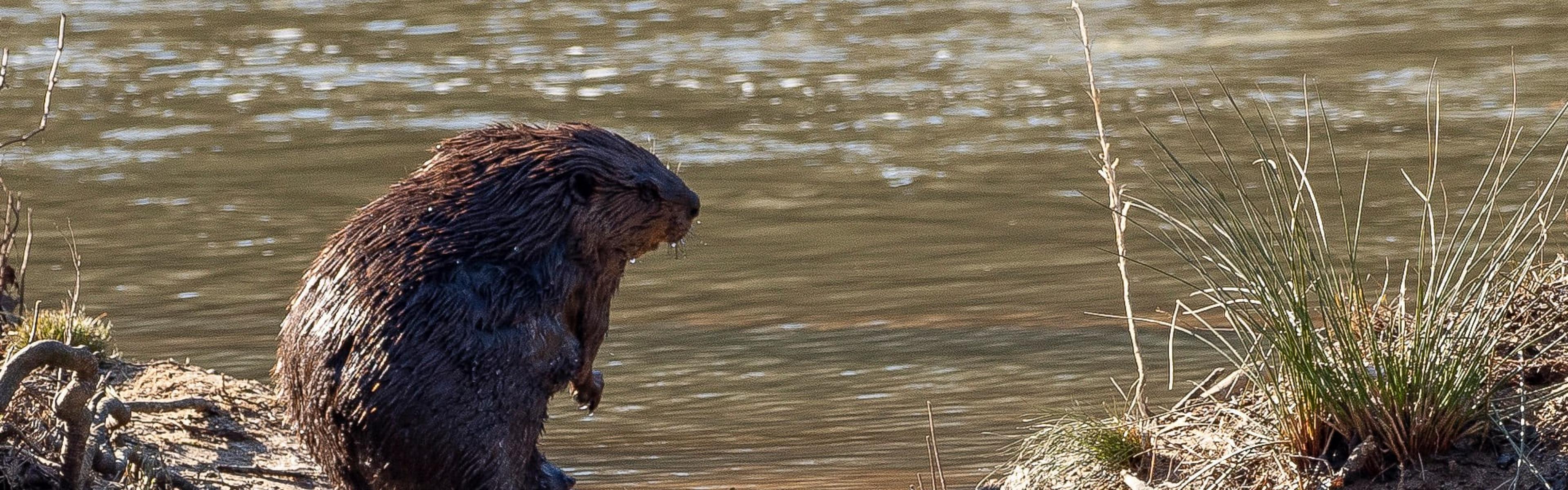
Photo of a beaver by Dr. Kevin Ricker
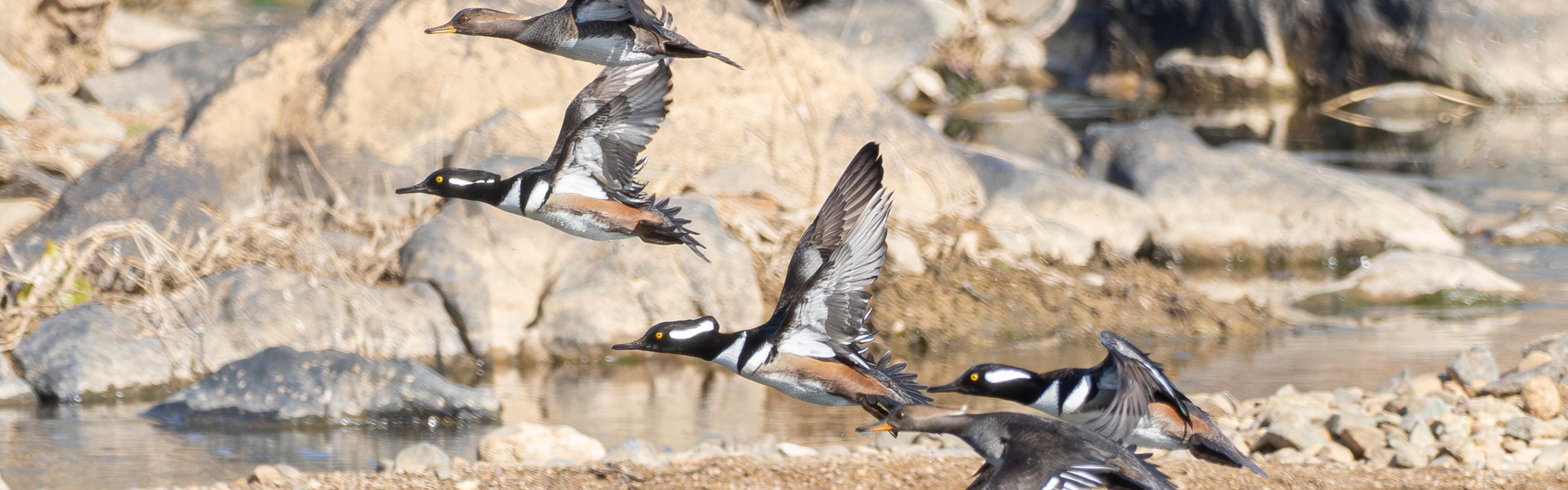
Photo of hooded mergansers by Dr. Kevin Ricker
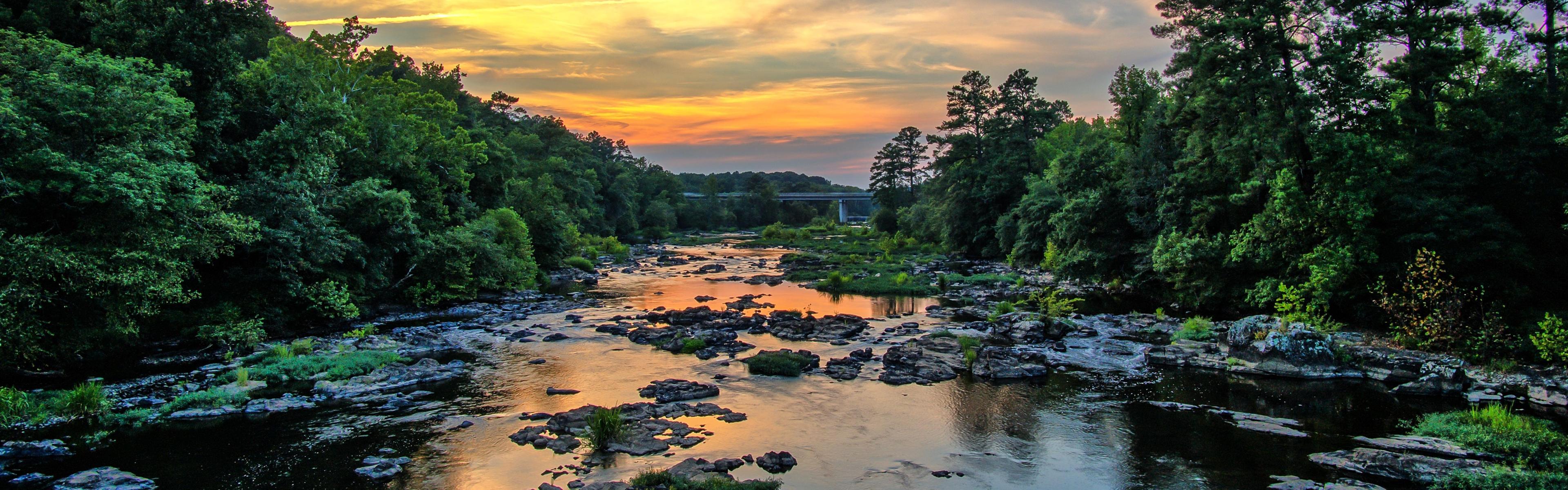
Photo by Chris Witted
Photo Credit:
Top Image: Chris Whitted