About the Park
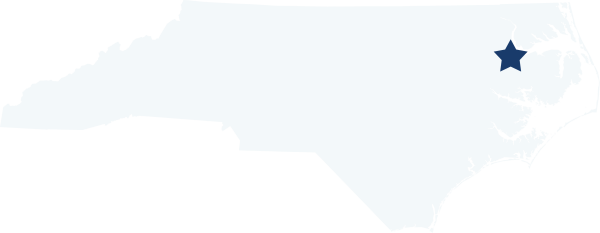
Located in Bertie County just south of Edenton and about 15 miles east of Windsor, Salmon Creek State Natural Area encompasses approximately 1300 acres of upland forest and cypress-gum swamps near the confluence of the Chowan River and Salmon Creek. There are currently no trails or other facilities, but low-impact recreation uses may be developed in the future.
History
Originally slated to be a 2800-home development with a 212-slip marina, the land instead became a protected area when the Coastal Land Trust took the unusual step of taking out a loan and purchased 1,000 acres in 2017, the same year the North Carolina General Assembly passed legislation authorizing the new natural area. In December 2018, the land became Salmon Creek State Natural Area when the Coastal Land Trust gave it to the State of North Carolina after paying off the purchase loan. In July 2020, another 297 acres was added to the natural area. The state natural area adjoins a 137-acre county park, protecting a large swath of unique forested swamp and bottomland hardwood forest.
Due to its location under critical flight paths, Seymour Johnson Air Force Base contributed funds towards the purchase of Salmon Creek State Natural Area that will limit its future development.
In addition to being recognized by the NC Natural Heritage Program for its ecological significance, Salmon Creek State Natural Area is also historically significant. Colonial governor Thomas Pollock (1712-1714) once owned the land. The road on which the natural land is located is named for his ancestral home in Scotland: Bal Gra. Further back in time, Native American tribes used the area. Artifacts such as pottery and arrowheads have been found. The discovery of “Site X” in 2012 yielded pottery and other artifacts that suggested at least some of the Lost Colonists from Roanoke Island’s 1587 settlement attempt by the English may have ended up there.
In the late 1800s, one of the major economic features of Bertie County was a robust herring and shad fishery in the creek. Millions of fish were harvested each year using seine nets, but fish populations began to decline until the fishery was closed in 2007. It remains illegal today to harvest herring anywhere in the state of North Carolina.
Ecology
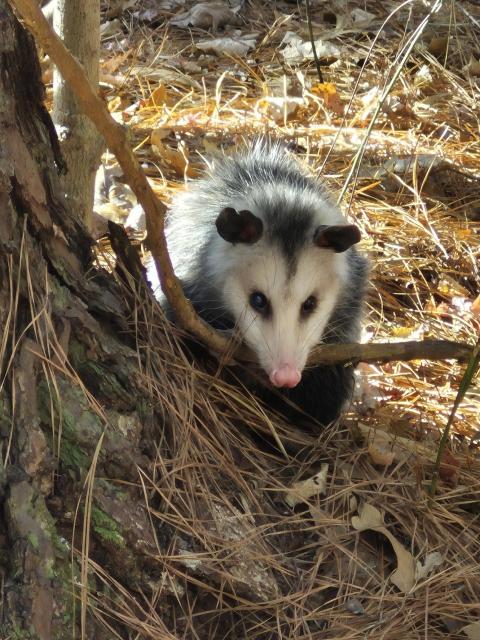
Salmon Creek State Natural Area is home to an abundance of plants and wildlife. Park staff are still discovering new species since assuming management of the land. Common mammals include deer, bear, coyote, fox, opossum, raccoon, and squirrel. To date, over 100 species of birds have been recorded, along with frogs, toads, and salamanders. Insects, including 48 species of butterfly, abound. Snakes and turtles also make their home here. More than 250 species of plants and trees have been documented, along with a few mosses, lichens, and fungi.
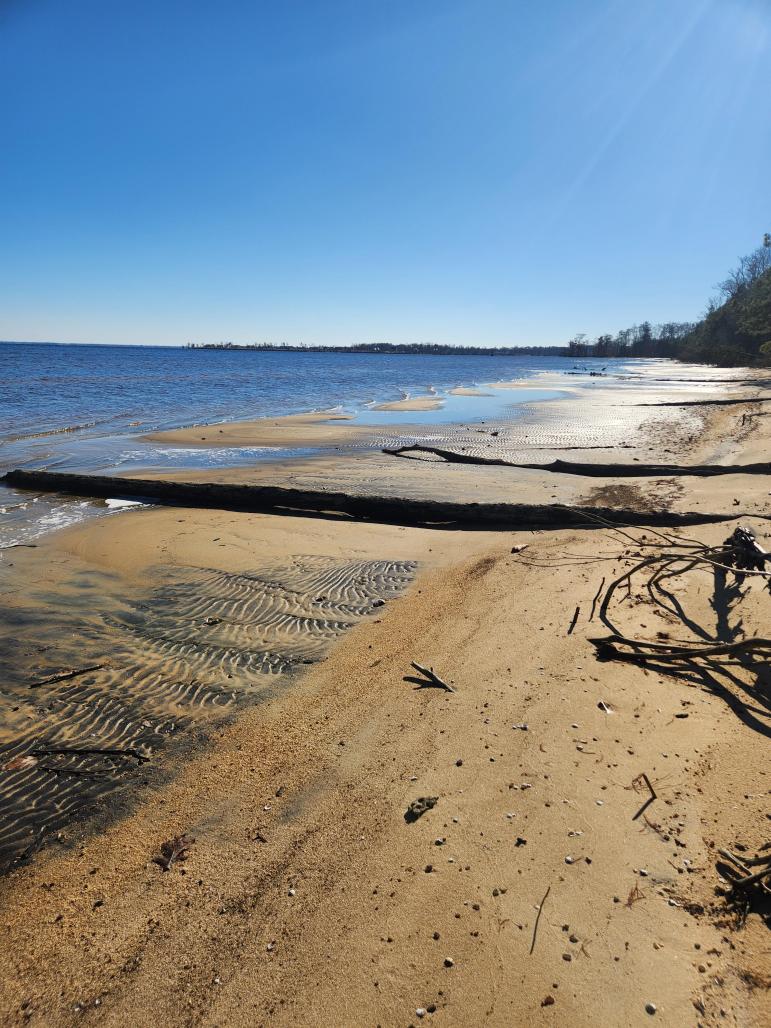
The unique habitat at Salmon Creek features ravines formed by ancient creeks that carved out the landscape as they flowed to what was historically a much lower sea level. Today, these ravines hold freshwater cypress-gum swamps that provide habitat for the flora and fauna living here now. High bluffs look down on the sandy beach at the edge of the Chowan River. Elsewhere, upland forested areas are full of beech, oak, and pine trees. A portion of the area has been farmed in the past and approximately 300 acres is currently pine plantation. Efforts are underway to restore those areas to a more natural state and to remove the invasive species, primarily Chinaberry and Chinese privet, that have taken root along the edge of the woods.
Species checklists for Salmon Creek State Natural Area are available on the Natural Resources Inventory Database.
Top Image: DPR Staff Photo
Gallery: